
Beginner's Guide, Blog
Beginner’s Guide to Setting Up Your First Aquarium
20
Jun
Jun
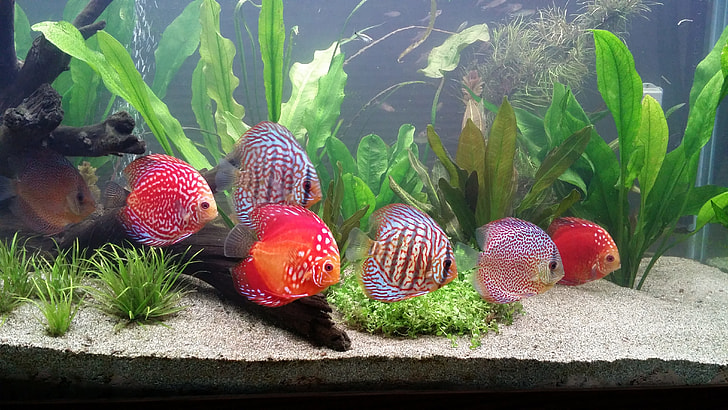
Setting up your first aquarium is an exciting and rewarding experience. Not only will you create a beautiful underwater world, but you’ll also learn a lot about aquatic life and the responsibilities of caring for fish. This beginner’s guide will walk you through the essential steps to ensure you set up your aquarium for success.
1. Choosing the Right Aquarium
The first decision you’ll need to make is what size aquarium to buy. If you’re a beginner, it’s tempting to go for a small tank because it seems easier to manage, but smaller tanks require more frequent maintenance and can be trickier to stabilize. A 20-gallon tank is usually ideal for beginners. It provides enough space for fish to thrive and gives you room to make mistakes while learning.
2. Picking the Right Location
Choosing the perfect spot for your aquarium is crucial. Place it in a location where the tank will receive indirect sunlight—this will help prevent algae growth and keep the water temperature stable. Avoid placing the aquarium near heat sources (like radiators) or windows where temperature fluctuations are common. It’s also important to ensure the surface can support the weight of the tank, which can be surprisingly heavy once filled with water.
3. Selecting the Right Equipment
Your aquarium will need several pieces of essential equipment to keep your fish healthy:
-
Filter: A reliable filter is necessary to keep the water clean and provide adequate circulation. Make sure the filter is rated for the size of your tank.
-
Heater: If you’re setting up a tropical aquarium, you’ll need a heater to maintain a steady temperature. Choose one with a thermostat to keep the water within the recommended range for your fish species.
-
Lighting: Aquatic plants and fish often need light for a healthy environment. Consider an aquarium light designed for your specific setup—LED lights are a great option as they provide energy-efficient lighting and promote plant growth.
-
Substrate: This refers to the material at the bottom of the tank, such as gravel or sand. It’s important for both aesthetic purposes and as a base for plants to grow in.
-
Water Testing Kits: You’ll need a water testing kit to regularly monitor the levels of ammonia, nitrite, nitrate, and pH to ensure the water quality is suitable for your fish.
4. Setting Up the Tank
Once you have all your equipment, it’s time to set up the tank:
-
Clean the Tank and Equipment: Before adding anything to the aquarium, wash the tank, filter, and decorations with water (no soap!) to remove any dust or residue.
-
Install the Substrate: Add the gravel or sand at the bottom of the tank. Ensure it’s evenly distributed and not too deep, as too much substrate can complicate water flow and maintenance.
-
Install the Filter and Heater: Follow the manufacturer’s instructions to set up the filter and heater. Position them properly to ensure even water circulation and temperature distribution.
-
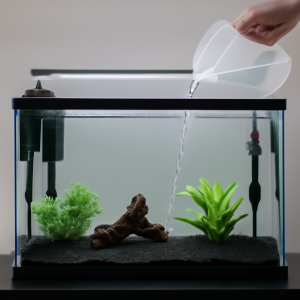
Add Water: Fill the tank slowly with dechlorinated water. You can use a bowl or plate to pour the water gently, preventing the substrate from stirring up too much.
-
Set Up Decorations: Adding plants, rocks, or other decorations helps create a natural habitat for your fish. Just ensure that any items added to the tank are aquarium-safe and cleaned thoroughly.
5. Cycling the Tank
Before adding any fish, your tank needs to go through a process called “cycling.” This is when beneficial bacteria build up in the tank to break down harmful substances like ammonia and nitrites. Cycling can take anywhere from 2 to 6 weeks, so be patient.
You can test the water during this period to ensure that ammonia and nitrite levels are at zero, and nitrate levels are low. Only once the tank is fully cycled and safe for fish should you proceed to the next step.
6. Choosing the Right Fish
As a beginner, it’s important to start with hardy fish that can adapt to new environments. Popular beginner fish include:
-
Betta fish: Easy to care for and vibrant in color.
-
Neon Tetras: Small and peaceful, perfect for a community tank.
-
Guppies: Hardy and colorful fish that are great for beginners.
-
Corydoras Catfish: Great for cleaning up leftover food at the bottom of the tank.
Remember to avoid overcrowding your tank and make sure the species you choose are compatible with one another. It’s better to start with just a few fish and gradually increase their numbers once your tank is stable.
7. Maintaining the Aquarium
Proper maintenance is essential for a healthy aquarium. Here are some basic tasks you’ll need to keep up with:
-
Feeding: Don’t overfeed your fish—only give them what they can consume in 2-3 minutes. Uneaten food will decay, causing water quality issues.
-
Water Changes: Perform regular water changes (about 10-20% per week) to remove toxins and maintain good water quality. Use a gravel vacuum to clean the substrate.
-
Cleaning the Filter: Check and clean the filter regularly to ensure it’s functioning properly.
-
Monitoring Water Parameters: Use a water test kit to monitor ammonia, nitrite, nitrate, and pH levels, and adjust as necessary.
8. Enjoying Your Aquarium
Once your tank is set up and your fish are healthy, it’s time to enjoy your aquatic world! Take time to observe your fish and their behavior, add new plants or decorations as desired, and share your love for aquariums with friends and family.
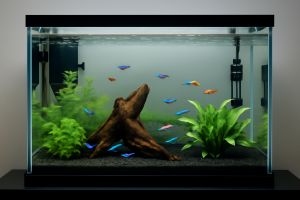
Setting up your first aquarium is a thrilling journey that requires patience and care. By choosing the right tank, equipment, and fish, and by ensuring your aquarium is properly maintained, you’ll create a beautiful and thriving underwater world. Don’t forget to keep learning and enjoy the experience—it’s a rewarding hobby that can bring you peace, joy, and a deeper connection to the wonders of aquatic life. Happy fishkeeping!